

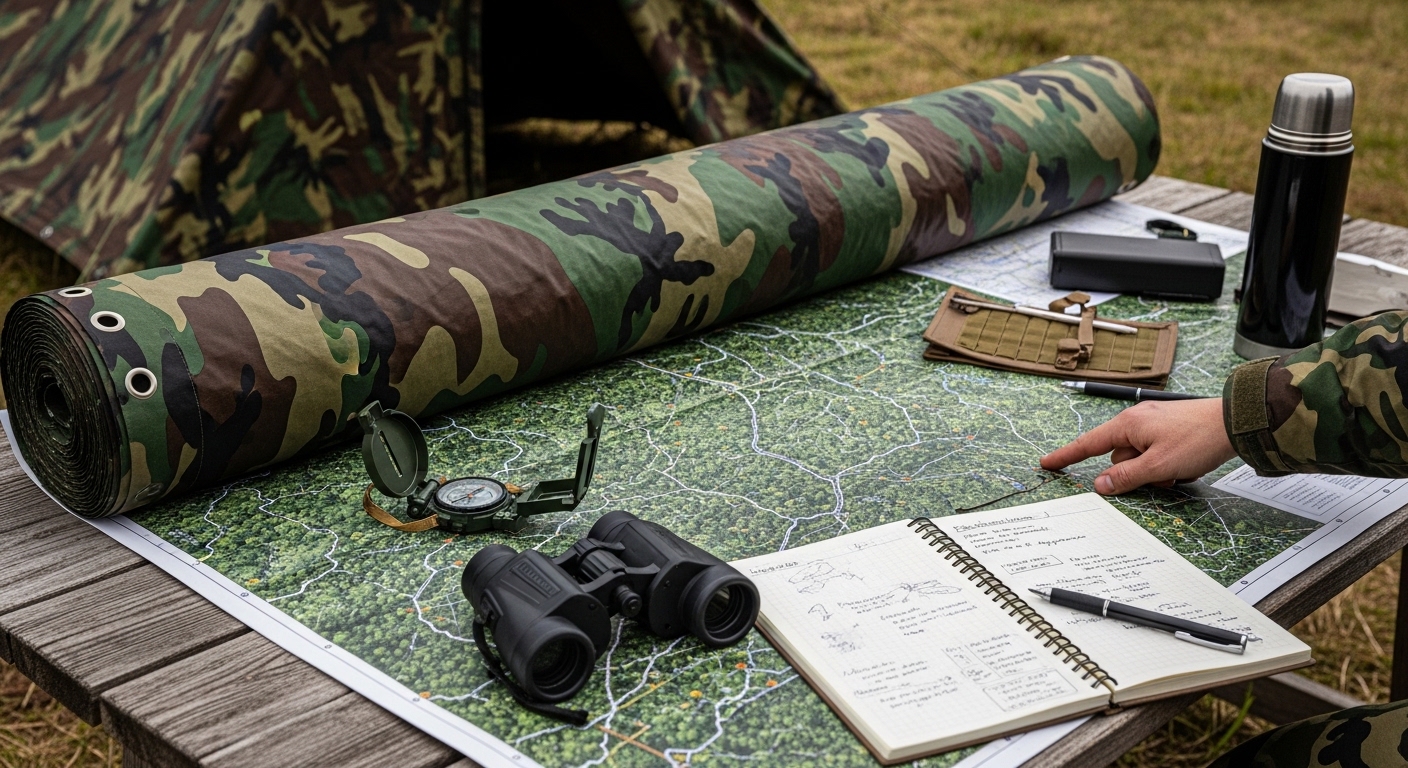

Introduction to Tarnplanen
In outdoor survival, military operations, and wildlife observation, the ability to stay hidden and protected is extremely important. One tool that helps achieve both goals is tarnplanen. Tarnplanen are specially designed camouflage tarps that provide shelter, protection, and concealment in natural environments.
The word tarnplanen comes from German. The term is made up of two parts: “tarn,” meaning camouflage or concealment, and “planen,” meaning tarps or covers. When combined, the word refers to camouflage tarpaulins used to hide objects, people, or equipment while protecting them from environmental elements.
These versatile covers have become increasingly popular beyond their original military use. Today, outdoor enthusiasts, campers, hunters, photographers, and survival experts rely on tarnplanen for many different tasks. They are lightweight, durable, and designed to blend into natural surroundings, making them highly effective for outdoor activities.
In this guide, you will learn everything about tarnplanen, including their history, materials, types, benefits, and practical uses. By the end of the article, you will understand why tarnplanen are considered essential equipment for many outdoor situations.
What Is Tarnplanen?
Tarnplanen are camouflage tarps designed to conceal objects or provide protection in outdoor environments. Unlike ordinary tarpaulins that come in plain colors such as blue or green, tarnplanen feature camouflage patterns that help them blend into forests, deserts, mountains, or snowy landscapes.
These tarps are typically made from durable materials that are both waterproof and weather-resistant. This combination allows them to serve two important purposes at the same time:
- Concealing equipment or people from view
- Protecting them from rain, sun, wind, and dust
Because of this dual function, tarnplanen are commonly used in military operations, outdoor survival situations, and wildlife observation activities.
To better understand the difference between a standard tarp and a camouflage tarp, the following table highlights key distinctions.
| Feature | Tarnplanen | Regular Tarpaulin |
|---|---|---|
| Appearance | Camouflage patterns | Plain solid colors |
| Main Purpose | Concealment and protection | General covering |
| Outdoor Use | Tactical and survival environments | Construction or storage |
| Visibility | Designed to blend with surroundings | Easily noticeable |
The camouflage design is the main characteristic that sets tarnplanen apart from ordinary tarps.
History and Origin of Tarnplanen
The concept of camouflage tarps dates back many decades. The development of tarnplanen was largely influenced by military needs during wartime. Soldiers needed ways to hide vehicles, supplies, and camps from enemy observation.
Military Origins
During early military campaigns, armies used simple cloth sheets and natural materials such as branches or leaves to hide equipment. Over time, these methods evolved into specially designed camouflage fabrics. These fabrics eventually developed into what we now call tarnplanen.
Military engineers designed these tarps to reduce visibility from both ground and aerial surveillance. The camouflage patterns were carefully created to match different natural environments.
Transition to Civilian Use
After their success in military operations, camouflage tarps began to attract attention from civilians. Outdoor enthusiasts discovered that these tarps were useful for camping, hunting, and wilderness survival.
Campers used tarnplanen to create temporary shelters or protect gear from rain. Hunters and wildlife photographers used them to remain hidden from animals.
Modern Global Use
Today, tarnplanen are widely used around the world. They are no longer limited to military applications. Instead, they are available in outdoor stores and online marketplaces for a variety of uses.
Modern designs now include advanced materials, improved durability, and lightweight construction, making them suitable for both professionals and hobbyists.
Materials Used in Tarnplanen
The effectiveness of tarnplanen depends largely on the materials used in their construction. Manufacturers carefully select fabrics that balance strength, weight, and weather resistance.
Several materials are commonly used to produce camouflage tarps.
Polyester
Polyester is one of the most common materials used in tarnplanen. It is lightweight, affordable, and resistant to stretching. Polyester tarps are easy to carry and suitable for camping or general outdoor use.
Nylon
Nylon is known for its strength and flexibility. Many tactical-grade tarnplanen are made from nylon because it provides excellent durability while remaining relatively lightweight. Nylon tarps are often coated with waterproof layers.
Canvas or Cotton Blends
Traditional camouflage tarps sometimes use canvas or cotton blends. These materials are heavier but extremely durable. Canvas tarnplanen are often used for heavy-duty applications.
The following table summarizes the advantages of these materials.
| Material | Advantages | Typical Use |
|---|---|---|
| Polyester | Lightweight and affordable | Camping tarps |
| Nylon | Strong and flexible | Tactical gear |
| Canvas | Highly durable | Heavy-duty covers |
Many modern tarnplanen also include waterproof coatings such as PVC or polyurethane. These coatings improve water resistance and help protect against harsh weather conditions.
Types of Tarnplanen
Not all camouflage tarps are the same. Different types of tarnplanen are designed for specific environments and purposes.
Military Tarnplanen
Military versions are built to extremely high durability standards. They are designed to conceal vehicles, weapons, and equipment during operations.
Camping Tarnplanen
Outdoor campers often use tarnplanen as lightweight shelters. These tarps can be stretched between trees to create rain covers or sun shades.
Hunting Tarnplanen
Hunters use camouflage tarps to create hidden observation areas called blinds. These structures allow hunters to observe animals without being detected.
Survival Tarnplanen
In survival situations, tarnplanen can serve as emergency shelters. They can also be used as ground covers, wind barriers, or rain collectors.
Photography Tarnplanen
Wildlife photographers frequently rely on camouflage tarps to remain unnoticed by animals. This allows them to capture natural behavior without disturbing wildlife.
Key Features of Tarnplanen
The design of tarnplanen includes several important features that make them highly practical in outdoor conditions.
The most significant features include:
- Camouflage patterns that match natural environments
- Waterproof or water-resistant materials
- Reinforced edges to prevent tearing
- Lightweight construction for easy transport
- UV resistance to prevent damage from sunlight
Each of these features contributes to the overall effectiveness of the tarp.
For example, reinforced edges allow the tarp to be secured tightly without tearing, while waterproof materials ensure that rain cannot penetrate the fabric.
Common Uses of Tarnplanen
One of the reasons tarnplanen have become so popular is their versatility. They can be used in many different situations.
Military and Tactical Operations
Military units use camouflage tarps to hide equipment, vehicles, and field camps. By blending into the surrounding environment, these tarps help reduce visibility from enemy forces.
Camping and Outdoor Adventures
Campers often use tarnplanen to create temporary shelters. The tarp can be tied between trees to provide shade during the day and protection from rain at night.
Hunting and Wildlife Observation
Hunters and wildlife researchers rely on camouflage tarps to remain hidden while observing animals. The camouflage pattern prevents animals from noticing human movement.
Emergency and Survival Situations
In emergency situations such as storms or wilderness survival, tarnplanen can quickly be transformed into shelters. They can also be used as ground sheets or wind barriers.
Security and Surveillance
In certain security operations, camouflage tarps may be used to hide equipment or observation posts.
Benefits of Using Tarnplanen
There are several advantages to using camouflage tarps instead of ordinary tarpaulins.
Some of the most important benefits include the following.
First, tarnplanen provide effective concealment. The camouflage patterns allow the tarp to blend into natural surroundings.
Second, they offer excellent weather protection. Waterproof materials keep equipment dry even during heavy rain.
Third, tarnplanen are lightweight and portable. This makes them easy to carry during hiking or camping trips.
Finally, their multi-purpose design allows them to be used for shelters, ground covers, equipment protection, and concealment.
These benefits explain why tarnplanen are widely used by professionals and outdoor enthusiasts alike.
Tarnplanen in Different Environments
Camouflage tarps are designed to work effectively in various environments.
Forest Areas
In forest environments, tarnplanen usually feature green and brown patterns. These colors match trees, leaves, and natural vegetation.
Desert Environments
Desert camouflage tarps use tan or sand-colored patterns to blend with dry landscapes.
Snowy Regions
For snowy areas, white camouflage designs help the tarp blend into snow-covered terrain.
Urban Environments
In urban settings, grey and mixed-color patterns can help conceal equipment among buildings or industrial structures.
Tarnplanen vs Regular Tarps
Although tarnplanen and regular tarps may look similar, their purposes are quite different.
| Feature | Tarnplanen | Standard Tarps |
|---|---|---|
| Camouflage Design | Yes | No |
| Tactical Use | Common | Rare |
| Weather Resistance | Usually high | Moderate |
| Outdoor Survival Use | Very common | Less common |
Regular tarps are mainly used for covering equipment or construction materials, while tarnplanen are specifically designed for concealment and outdoor survival.
Tips for Choosing the Right Tarnplanen
Choosing the right camouflage tarp requires careful consideration of several factors.
Important aspects to evaluate include size, material durability, camouflage pattern, and weather resistance.
For example, campers may prefer lightweight polyester tarps, while tactical users might choose stronger nylon versions. Similarly, selecting the correct camouflage pattern ensures that the tarp blends well with the surrounding environment.
Buyers should also check for reinforced edges and strong attachment points, which improve durability during use.
Maintenance and Care of Tarnplanen
Proper maintenance can greatly extend the lifespan of a camouflage tarp.
After using tarnplanen outdoors, it is important to clean them with mild soap and water. Dirt and debris should be removed carefully to prevent damage to the fabric.
The tarp should also be dried completely before storage to prevent mold or mildew. Storing tarnplanen in a cool, dry place helps preserve the material for future use.
Small tears or damage should be repaired quickly to prevent further deterioration.
Future Trends in Tarnplanen Technology
Technology continues to improve camouflage equipment. Modern innovations are making tarnplanen more effective than ever before.
Researchers are developing advanced fabrics that can reduce detection from infrared sensors. Lightweight materials are also becoming stronger and more durable.
In addition, environmentally friendly manufacturing processes are being introduced to reduce environmental impact.
As technology evolves, tarnplanen will likely become even more versatile and effective for both military and civilian use.
Conclusion
Tarnplanen are versatile camouflage tarps designed to provide both concealment and protection in outdoor environments. Originally developed for military purposes, they are now widely used by campers, hunters, survivalists, and photographers.
Their combination of camouflage design, durable materials, and weather resistance makes them extremely useful in many situations. Whether used to build a temporary shelter, hide equipment, or observe wildlife, tarnplanen offer practical solutions for outdoor challenges.
As new materials and technologies continue to emerge, the future of tarnplanen looks promising. These innovative tarps will remain an essential tool for anyone who values protection, concealment, and reliability in the outdoors.