

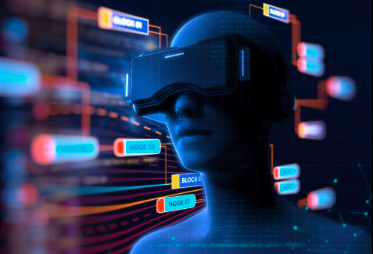

Human–Computer Interaction (HCI) refers to the relationship between people and digital systems. It focuses on how users communicate with computers, devices, and software applications. Over the past few decades, technology has changed dramatically, and these changes have transformed the way humans interact with computers.
Today, computers are no longer limited to keyboards and monitors. Modern interaction includes touchscreens, voice commands, artificial intelligence, virtual environments, and wearable devices. Understanding how new technology impact human computer interactin is essential because technology is now part of everyday life, influencing communication, work, education, healthcare, and entertainment.
This article explains the concept of human–computer interaction, the technologies shaping it, their benefits, challenges, and the future direction of this rapidly evolving field.
Introduction to Human–Computer Interaction (HCI)
What is Human–Computer Interaction?
Human–Computer Interaction is a multidisciplinary field that studies how humans interact with computer systems. It involves designing systems that are easy to use, efficient, and satisfying for users.
HCI combines knowledge from several fields including:
- Computer science
- Psychology
- Design
- Cognitive science
- Engineering
The main goal of HCI is to create digital systems that are user-friendly and accessible for everyone. When systems are designed with the user in mind, they become easier to understand and operate.
For example, a well-designed mobile application should allow users to navigate features easily without confusion. If a user can complete tasks quickly and comfortably, the interaction is considered successful.
Importance of Human–Computer Interaction
Human–computer interaction plays a crucial role in improving how people use technology. Without effective interaction design, even powerful technology can become difficult to use.
Some key reasons why HCI is important include:
- Improving user experience
- Increasing efficiency and productivity
- Reducing errors in digital systems
- Making technology accessible to everyone
- Enhancing communication between humans and machines
When developers understand human behavior and design systems accordingly, technology becomes more effective and enjoyable.
Evolution of Human–Computer Interaction
The history of human–computer interaction shows how technology has gradually become more natural and intuitive.
The evolution of interaction can be understood through the following stages:
| Era | Interaction Method | Example |
|---|---|---|
| Early Computing | Punch cards and text commands | Mainframe computers |
| 1980s–1990s | Graphical User Interfaces (GUI) | Windows, icons, mouse |
| 2000s | Touch interfaces | Smartphones and tablets |
| 2010s | Voice and AI interaction | Smart assistants |
| Future | Immersive and intelligent systems | VR, AR, brain interfaces |
Initially, interacting with computers required technical knowledge. Today, even children and elderly people can easily operate digital devices thanks to improved user interface design.
Role of New Technologies in HCI
Modern technologies are transforming how humans communicate with machines. These technologies allow computers to understand human language, gestures, emotions, and behavior.
Some major technological innovations influencing HCI include:
- Artificial Intelligence
- Natural Language Processing
- Virtual and Augmented Reality
- Wearable Technology
- Gesture Recognition
- Smart Environments
These technologies make interactions more natural, allowing computers to adapt to human needs instead of forcing humans to adapt to machines.
Overview of New Technologies in Human–Computer Interaction
Understanding how new technology impact human computer interactin requires examining the technologies that drive these changes.
Artificial Intelligence and Machine Learning
Artificial Intelligence (AI) has significantly changed how humans interact with computers. AI allows machines to analyze data, learn patterns, and make decisions.
Instead of requiring precise commands, modern systems can understand user behavior and respond intelligently.
For example, AI systems can:
- Recommend products in online stores
- Suggest movies on streaming platforms
- Provide automated customer support
- Assist with personal tasks
Machine learning enables systems to continuously improve by analyzing user data. This creates personalized experiences where technology adapts to individual preferences.
Voice Recognition and Natural Language Processing
Voice recognition technology allows users to communicate with computers through spoken language.
Natural Language Processing (NLP) enables computers to understand and interpret human language. This technology powers voice assistants and conversational interfaces.
Common uses include:
- Voice search on smartphones
- Smart home assistants
- Automated customer service systems
- Voice-controlled navigation systems
Voice interaction makes technology more accessible because users do not need advanced technical skills to operate systems.
Touch and Gesture Interfaces
Touchscreens have revolutionized the way people interact with digital devices. Instead of using keyboards and mice, users can directly interact with content on the screen.
Gesture-based systems allow interaction through hand movements, body gestures, or facial expressions.
Examples include:
- Pinching to zoom images on smartphones
- Swiping between pages on tablets
- Gesture control in gaming systems
- Motion-based interaction in virtual environments
These interfaces make technology more intuitive and engaging.
Virtual Reality and Augmented Reality
Virtual Reality (VR) and Augmented Reality (AR) provide immersive ways to interact with digital information.
Virtual reality places users inside a completely digital environment, allowing them to explore and interact with virtual objects.
Augmented reality overlays digital elements onto the real world.
Examples of VR and AR applications include:
- Virtual training simulations
- Educational visualizations
- Interactive gaming experiences
- Virtual product demonstrations
These technologies expand human–computer interaction beyond traditional screens.
Wearable Devices and Smart Technology
Wearable technology integrates computing devices into everyday clothing and accessories.
Examples include:
- Smartwatches
- Fitness trackers
- Smart glasses
- Health monitoring devices
Wearables allow continuous interaction with digital systems. These devices collect data such as heart rate, activity levels, and sleep patterns, providing users with real-time insights about their health and lifestyle.
How New Technology Improves Human–Computer Interaction
More Natural User Interfaces
One of the most important changes in HCI is the development of natural user interfaces. These interfaces allow users to interact with computers in ways that feel natural.
For example:
- Speaking instead of typing
- Touching instead of clicking
- Using gestures instead of pressing buttons
These interaction methods reduce complexity and improve usability.
Improved User Experience
New technologies allow developers to design systems that are easier and more enjoyable to use.
User experience improvements include:
- Faster system response
- Simpler navigation
- Personalized recommendations
- Adaptive interfaces
These improvements increase user satisfaction and encourage technology adoption.
Faster Communication Between Humans and Computers
Modern systems process information quickly and respond instantly to user input. High-speed computing and cloud technology allow computers to analyze large amounts of data in real time.
This enables faster communication between humans and machines.
Personalization and Adaptive Interfaces
Personalization is another major improvement in HCI. AI-powered systems analyze user behavior and preferences to create customized experiences.
Examples include:
- Personalized news feeds
- Customized advertisements
- Adaptive learning platforms
- Personalized health recommendations
Adaptive systems improve efficiency by presenting relevant information to users.
Emerging Interaction Technologies
Brain–Computer Interfaces
Brain–Computer Interfaces (BCIs) enable direct communication between the human brain and computers.
These systems detect brain signals and translate them into commands. BCIs have important applications in healthcare, particularly for individuals with disabilities.
For example, people with paralysis may use brain signals to control prosthetic limbs or computer systems.
Haptic and Tactile Technology
Haptic technology provides physical feedback through vibrations or pressure.
This technology is commonly used in:
- Virtual reality systems
- Gaming controllers
- Mobile devices
- Remote robotic control
Haptic feedback makes digital interactions more realistic by simulating the sense of touch.
Tangible User Interfaces
Tangible user interfaces combine physical objects with digital information.
Instead of interacting only with screens, users manipulate physical objects that represent digital data.
This approach makes technology more engaging and easier to understand, particularly in educational environments.
Ambient and Ubiquitous Computing
Ambient computing refers to environments where computing systems operate invisibly in the background.
Examples include smart homes where devices automatically adjust lighting, temperature, and security settings.
Ubiquitous computing allows users to interact with technology anywhere without needing traditional computers.
Impact of New Technology on Different Areas of Life
Impact on Education
Technology has transformed education through digital learning platforms, virtual classrooms, and interactive simulations.
Students can access educational resources from anywhere, making learning more flexible and engaging.
Impact on Healthcare
Healthcare systems use advanced technologies to improve patient care and medical training.
Examples include:
- Remote health monitoring
- Robotic surgery
- Medical simulation training
- Telemedicine platforms
These innovations improve accuracy and efficiency in healthcare services.
Impact on Business and Workplaces
Businesses use technology to improve communication, productivity, and decision-making.
Examples include:
- AI-powered analytics
- Collaboration platforms
- Automated customer service systems
- Virtual meeting environments
These tools help organizations operate more efficiently.
Impact on Entertainment and Gaming
Entertainment industries use immersive technologies to create engaging user experiences.
Virtual reality, augmented reality, and motion-based gaming systems allow users to interact with digital content in new and exciting ways.
Benefits of New Technology in Human–Computer Interaction
The transformation of HCI provides several advantages.
| Benefit | Description |
|---|---|
| Accessibility | Technology becomes usable for people with disabilities |
| Productivity | Tasks can be completed more quickly |
| Engagement | Interactive systems keep users interested |
| Innovation | Encourages development of new digital products |
These benefits show how how new technology impact human computer interactin positively influences modern society.
Challenges of New Technology in Human–Computer Interaction
Despite many advantages, new technologies also present challenges.
Privacy and Security Issues
Advanced systems collect large amounts of personal data. Protecting this data is essential to prevent misuse and privacy violations.
Learning Curve
Some technologies require users to learn new skills or adapt to unfamiliar interfaces.
Ethical Concerns
Technologies such as artificial intelligence raise questions about fairness, transparency, and accountability.
Technology Dependence
Excessive reliance on digital systems may reduce human skills such as memory or manual problem-solving.
Future Trends in Human–Computer Interaction
The future of HCI will likely focus on creating systems that are more intelligent, immersive, and human-centered.
Future trends include:
- AI systems that understand human emotions
- Multimodal interfaces combining voice, gesture, and touch
- Fully immersive mixed-reality environments
- Brain-controlled computing systems
These innovations will continue to reshape how new technology impact human computer interactin.
Conclusion
Human–computer interaction has evolved significantly with the advancement of modern technology. Innovations such as artificial intelligence, voice recognition, virtual reality, wearable devices, and smart environments have changed how humans communicate with computers.
These technologies make interaction more natural, personalized, and efficient. As technology continues to advance, the relationship between humans and computers will become even more integrated into everyday life.
Understanding how new technology impact human computer interactin helps researchers, designers, and developers create systems that improve usability, accessibility, and overall digital experiences for people around the world.