Camera Without WiFi — Complete Informative Guide
A camera without WiFi is becoming increasingly popular among users who value privacy, reliability, and simplicity. While modern smart cameras focus heavily on internet connectivity and cloud features, many people still prefer cameras that operate completely offline. These cameras capture photos or record videos without requiring any internet connection, making them dependable in both personal and professional environments.
This detailed guide explains everything you need to know about a camera without wifi, including how it works, its advantages, limitations, types, and how to choose the right one.
Introduction to Camera Without WiFi
Technology today often assumes that every device must be connected to the internet. However, cameras existed long before WiFi technology and continue to function perfectly without it. A camera without WiFi records and stores data locally instead of sending it to online servers.
Offline cameras are widely used in photography, surveillance systems, industrial monitoring, and secure environments where internet access is restricted or unnecessary. Many users prefer them because they provide consistent performance regardless of network availability.
Unlike smart cameras that depend on mobile apps and cloud services, offline cameras prioritize direct recording and user control.
What Does “Camera Without WiFi” Mean?
Simple Definition
A camera without wifi refers to any camera that does not rely on wireless internet connectivity to capture, store, or manage recordings. The device functions independently and saves files locally.
Instead of cloud storage, these cameras use physical storage media such as:
- SD cards
- Hard drives
- Internal memory
- External storage devices
Key Characteristics
Offline cameras share several defining characteristics:
- Recording works without internet access
- Data remains stored locally
- No cloud synchronization required
- Manual file transfer through cable or memory card
Common Misconceptions
Many people confuse wireless cameras with WiFi cameras. A wireless camera simply means there are fewer cables, while a WiFi camera specifically connects to the internet. A camera can be wireless yet still operate completely offline.
How a Camera Without WiFi Works
A camera without wifi operates using internal processing and local storage systems rather than online servers.
Local Storage Recording System
When recording begins, the camera saves footage directly onto a storage device. This process happens instantly inside the camera hardware.
Common storage methods include:
| Storage Type | How It Works | Best Use |
|---|---|---|
| SD Card | Stores video internally | Home cameras & travel |
| Internal Memory | Built-in storage | Compact cameras |
| DVR System | External recorder | CCTV setups |
| Hard Drive | Large storage capacity | Businesses |
Because files remain local, recording continues even during internet outages.
Signal Transmission Without Internet
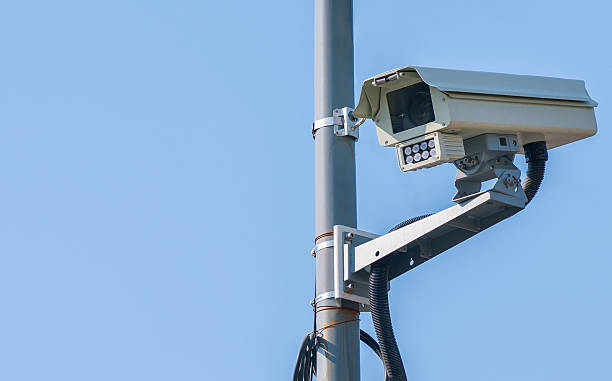
Security cameras without WiFi often use closed systems. Video signals travel through cables or local networks rather than the internet. This setup is called a closed-circuit system, commonly known as CCTV.
Power and Operation
Offline cameras can operate using different power sources:
- Rechargeable batteries
- Direct electrical wiring
- Solar panels for outdoor locations
This flexibility makes them ideal for remote environments.
Types of Cameras Without WiFi
Digital Photography Cameras
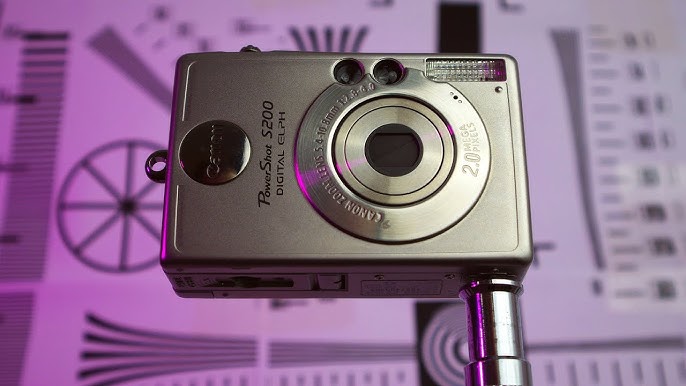
Traditional photography cameras are classic examples of offline devices. DSLRs and mirrorless cameras primarily store images on memory cards. Professional photographers often disable wireless functions to save battery and improve security.
CCTV Cameras Without WiFi
Many surveillance systems still rely on wired technology. These cameras connect to DVR or NVR recorders and continuously capture footage without needing internet access.
They are commonly used in:
- Shops
- Offices
- Schools
- Warehouses
Offline Security Cameras
Standalone security cameras record directly onto SD cards. Some advanced models include motion detection and night vision while still remaining offline.
Trail cameras used for wildlife monitoring also operate without WiFi, storing footage locally for later review.
Key Features of Cameras Without WiFi
Although they lack internet connectivity, offline cameras still provide powerful functionality. Typical features include high-resolution recording, night vision capability, motion detection, and continuous recording modes.
Many users appreciate the simplicity of these cameras because setup usually involves inserting a memory card and powering on the device. No apps, accounts, or passwords are required.
Advantages of Using a Camera Without WiFi
Enhanced Privacy and Security
One of the biggest benefits of a camera without wifi is privacy protection. Since the camera is not connected to the internet, the risk of hacking or unauthorized remote access is significantly reduced.
Users maintain full ownership of their recordings because data never leaves the device.
Works in Remote Locations
Offline cameras are extremely useful in areas where internet service is unstable or unavailable. Farms, construction sites, rural homes, and outdoor research locations benefit greatly from offline recording systems.
No Subscription Fees
WiFi cameras often require monthly cloud storage subscriptions. Offline cameras eliminate these ongoing costs because storage happens locally.
Reliable Recording
Internet disruptions do not affect recording performance. The camera continues working regardless of network conditions, ensuring uninterrupted surveillance.
Disadvantages of Cameras Without WiFi
Despite their advantages, offline cameras have certain limitations.
Users cannot view live footage remotely from a smartphone unless physically connected to the device. Notifications and real-time alerts are also unavailable without internet connectivity.
Accessing recordings usually requires removing the memory card or connecting the camera to a computer manually. For users who want instant monitoring, this may feel less convenient.
Camera Without WiFi vs WiFi Camera
The differences between online and offline cameras become clearer when compared directly.
| Feature | Camera Without WiFi | WiFi Camera |
|---|---|---|
| Internet Required | No | Yes |
| Remote Viewing | No | Yes |
| Privacy Level | High | Moderate |
| Setup Complexity | Simple | Moderate |
| Subscription Costs | None | Often Required |
| Reliability | Very High | Depends on Internet |
Offline cameras are ideal for privacy and reliability, while WiFi cameras focus on convenience and remote access.
Storage Options in Offline Cameras
Storage plays a crucial role in offline camera performance.
SD Card Storage
Most compact cameras rely on SD cards because they are affordable and easy to replace.
Hard Drive Recording
CCTV systems use large hard drives capable of storing weeks or months of footage.
Internal Memory
Some small cameras include built-in storage suitable for short recordings.
Local Network Storage
Advanced systems allow recording onto a local server without internet exposure.
Common Use Cases for Cameras Without WiFi
A camera without wifi fits many real-world scenarios where privacy and reliability matter more than connectivity.
Typical applications include:
- Home security monitoring
- Examination halls
- Government facilities
- Wildlife observation
- Industrial monitoring
- Travel photography
These environments often require secure recording without external access.
Installation and Setup Guide
Setting up an offline camera is generally straightforward. First, select a suitable location that provides clear visibility. Insert a storage device and connect the power source. Adjust recording settings and test footage quality before final installation.
Proper placement improves performance significantly. Cameras should be positioned at elevated angles and protected from weather conditions if used outdoors.
Regular maintenance, such as clearing storage and checking battery health, ensures long-term reliability.
How to Choose the Best Camera Without WiFi
Choosing the right device depends on your needs. Important factors include resolution quality, storage capacity, battery life, durability, and night vision performance.
A helpful comparison is shown below:
| Feature | Why It Matters |
|---|---|
| Resolution | Clear image quality |
| Storage Size | Longer recording time |
| Battery Life | Continuous operation |
| Night Vision | Low-light recording |
| Weather Resistance | Outdoor durability |
Understanding your usage scenario helps narrow down the best option.
Safety and Privacy Benefits
Offline cameras provide strong protection against cyber threats because they operate independently of internet networks. Sensitive environments often prefer closed systems to prevent data leaks.
Data ownership remains entirely with the user, reducing risks associated with cloud storage breaches.
Future of Offline Cameras
Interestingly, offline cameras are evolving alongside smart technology. Manufacturers are now developing hybrid models that allow optional connectivity while maintaining offline functionality.
Edge computing and local AI processing are enabling features like motion detection and facial recognition without internet dependence. As privacy awareness grows, demand for cameras without WiFi is expected to increase.
Frequently Asked Questions (FAQs)
1. Can a camera work completely without WiFi?
Yes, many cameras record and store footage locally without needing internet access.
2. Do CCTV cameras record without internet?
Yes. Most traditional CCTV systems operate offline using DVR or NVR storage.
3. How do I watch recordings from an offline camera?
You can view footage by inserting the memory card into a computer or connecting the camera via USB.
4. Are cameras without WiFi safer?
They are generally safer from hacking because they are not connected to online networks.
5. Who should buy a camera without WiFi?
People who prioritize privacy, reliability, and simple operation benefit the most from offline cameras.
Conclusion
A camera without wifi remains a powerful and practical solution despite the rise of internet-connected devices. These cameras provide dependable recording, strong privacy protection, and cost savings by eliminating subscription fees.
Whether used for photography, home security, or professional monitoring, offline cameras offer reliability that internet-dependent systems cannot always guarantee. For users who value control, simplicity, and security, choosing a camera without WiFi is often the smartest decision.