Arizona ADOT Cameras
Modern transportation depends heavily on real-time information, and one of the most useful tools for drivers in Arizona is the statewide network of arizona adot cameras. These cameras help commuters, travelers, and transportation officials monitor road conditions, traffic congestion, weather situations, and highway safety in real time.
Whether someone is planning a daily commute in Phoenix, driving through mountain highways near Flagstaff, or traveling long desert routes, Arizona ADOT cameras provide valuable visual updates that improve decision-making and road safety. This guide explains everything in simple and easy wording — from how the system works to its benefits, technology, locations, and future developments.
Introduction to Arizona ADOT Cameras
Transportation systems today are no longer limited to roads and vehicles alone. They now include digital monitoring technologies designed to make travel safer and more efficient. The arizona adot cameras network is a major part of Arizona’s smart transportation infrastructure.
These cameras are installed across highways and major roadways to capture real-time images of traffic conditions. Drivers can view these images online before or during travel to understand:
- Traffic congestion levels
- Weather visibility
- Road closures
- Accidents or delays
- Construction activity
Unlike surveillance systems, ADOT cameras are built primarily for traffic management and public information. Their purpose is to help travelers make informed decisions rather than monitor individuals.
The system operates continuously and supports thousands of drivers every day.
What Is the Arizona Department of Transportation (ADOT)?
The Arizona Department of Transportation, commonly known as ADOT, is the government agency responsible for managing transportation infrastructure throughout the state.
Role of ADOT in Transportation Management
ADOT oversees several important functions:
- Highway construction and maintenance
- Traffic safety programs
- Driver services and licensing support
- Road condition monitoring
- Emergency traffic coordination
Managing traffic across a large state like Arizona requires constant monitoring. This is where arizona adot cameras become essential tools.
Digital Traffic Management System
ADOT operates advanced traffic operations centers where engineers and transportation specialists monitor live roadway conditions. Cameras send visual data to these centers, allowing quick responses to incidents and helping officials coordinate emergency services efficiently.
What Are Arizona ADOT Traffic Cameras?
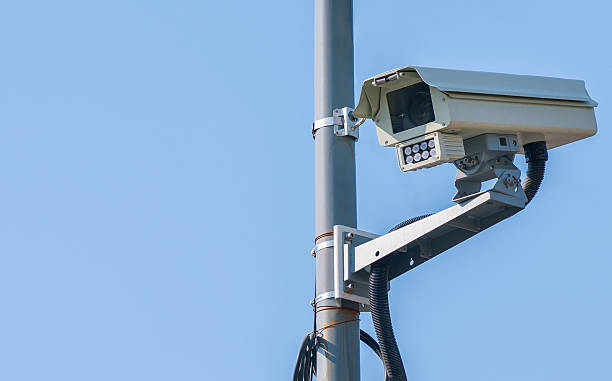
Arizona ADOT traffic cameras are roadside monitoring devices placed strategically along highways and intersections. They provide updated images showing actual road conditions.
Purpose of Traffic Cameras
The main goals include:
- Observing traffic flow
- Detecting accidents quickly
- Monitoring weather impacts
- Supporting road safety decisions
These cameras act like “digital eyes” across the transportation network.
Traffic Cameras vs Enforcement Cameras
Many drivers mistakenly believe traffic cameras issue tickets. However, arizona adot cameras are different from enforcement systems.
| Feature | ADOT Traffic Cameras | Enforcement Cameras |
|---|---|---|
| Purpose | Traffic monitoring | Law enforcement |
| Tickets Issued | No | Yes |
| Public Viewing | Yes | Usually No |
| Focus | Road conditions | Driver violations |
ADOT cameras exist purely for public awareness and traffic management.
Arizona 511 (AZ511) System Explained
The Arizona 511 system is the official traveler information platform connected to ADOT cameras.
What Is AZ511?
AZ511 is a free service that provides real-time transportation information through:
- Website access
- Mobile applications
- Traveler alerts
It combines multiple data sources into one easy system.
Connection Between AZ511 and Arizona ADOT Cameras
When cameras capture roadway images, those visuals are uploaded to the AZ511 platform. Users can open a map, click a camera icon, and instantly see current road conditions.
This integration allows drivers to plan routes intelligently rather than relying only on traffic reports.
How Arizona ADOT Cameras Work
Understanding the technology behind arizona adot cameras helps explain why they are reliable tools for travelers.
Camera Technology
Most cameras use high-definition imaging systems capable of operating day and night. They are designed to withstand harsh desert heat, dust storms, and winter snow conditions.
Data Transmission Process
The workflow typically follows these steps:
- Cameras capture roadway images.
- Images transmit through secure communication networks.
- Traffic management centers receive the data.
- Images publish automatically on public platforms.
Unlike continuous video streaming, many cameras refresh images at regular intervals to reduce bandwidth while still providing accurate updates.
Real-Time Monitoring
Traffic operators monitor camera feeds constantly. When incidents occur, officials can quickly confirm the situation and dispatch assistance.
Locations Covered by Arizona ADOT Cameras
One reason the arizona adot cameras system is effective is its wide coverage across urban and rural regions.
Major Metropolitan Areas
The highest concentration of cameras exists in busy cities such as:
- Phoenix metropolitan highways
- Tucson traffic corridors
- Flagstaff mountain routes
These areas experience heavy traffic and changing weather conditions.
Interstate Highways
Key highways monitored include:
| Highway | Importance |
|---|---|
| I-10 | Major east-west interstate |
| I-17 | Phoenix to northern Arizona route |
| I-40 | Cross-country travel corridor |
| Loop 101 & Loop 202 | Urban commuter routes |
Rural and Scenic Routes
Cameras also monitor remote highways where weather conditions can change rapidly. Mountain passes and desert routes benefit greatly from visual monitoring.
Types of Arizona ADOT Cameras
Different camera types serve different transportation purposes.
Traffic Flow Cameras
These monitor congestion and vehicle movement patterns, helping drivers avoid delays.
Weather Monitoring Cameras
Placed in high-elevation regions, they show snow, fog, or dust storm visibility conditions.
Incident Monitoring Cameras
Used by traffic operators to confirm crashes or hazards quickly.
Wrong-Way Detection Cameras
Some locations include systems that identify vehicles traveling in the wrong direction and alert authorities immediately.
Key Features of the Arizona ADOT Camera System
The arizona adot cameras network offers several practical features that improve travel planning.
Drivers can benefit from:
- Live roadway visuals
- Travel time estimates
- Incident notifications
- Construction updates
- Alternate route suggestions
The combination of visual data and traffic analytics creates a powerful navigation support system.
Benefits of Arizona ADOT Cameras for Drivers
Safer Travel Planning
Drivers can check roads before leaving home, reducing the risk of encountering dangerous conditions unexpectedly.
Avoiding Traffic Congestion
Visual confirmation helps commuters choose faster routes instead of relying solely on navigation apps.
Weather Awareness
Arizona experiences diverse weather, including dust storms and snow in northern regions. Cameras allow drivers to evaluate visibility conditions instantly.
Emergency Preparedness
During emergencies, travelers can avoid affected areas and select safer alternatives.
Tourism and Road Trips
Tourists often use arizona adot cameras to preview scenic routes and verify driving conditions during long trips.
How to Access Arizona ADOT Cameras
Accessing the system is simple and free.
Using the AZ511 Website
Users open the official traveler information site and view an interactive map displaying camera icons. Clicking an icon reveals the latest roadway image.
Mobile Applications
Smartphone apps provide:
- Live camera access
- Personalized routes
- Travel alerts
- Saved camera locations
Saving Favorite Cameras
Frequent travelers can bookmark commonly used highways for quick checking before daily commutes.
Privacy and Public Safety Considerations
Privacy is an important concern for many people. Fortunately, arizona adot cameras are not designed for personal surveillance.
Key privacy points include:
- Cameras focus on roads, not individuals.
- No facial recognition systems are used.
- Images serve traffic management purposes only.
- Public access ensures transparency.
The goal is safety and efficiency rather than monitoring citizens.
Expansion and Future of Arizona ADOT Cameras
Transportation technology continues evolving, and ADOT is expanding its monitoring capabilities.
Future developments may include:
- Additional rural camera installations
- Higher-resolution imaging
- Artificial intelligence traffic analysis
- Automated incident detection
- Smart highway integration
These upgrades aim to reduce accidents and improve travel reliability across Arizona.
Common Uses of Arizona ADOT Cameras
Different groups rely on the system daily:
| User Group | Purpose |
|---|---|
| Commuters | Avoid traffic delays |
| Truck Drivers | Plan long routes |
| Emergency Services | Monitor incidents |
| Tourists | Check road conditions |
| Weather Observers | Monitor visibility |
The system serves both everyday drivers and professional transportation services.
Tips for Using Arizona ADOT Cameras Effectively
Drivers get the best results when they combine camera viewing with smart planning. Checking cameras before departure, monitoring mountain routes during winter, and reviewing updates during storms can significantly improve travel safety.
Using cameras alongside navigation apps and weather forecasts creates a complete travel awareness strategy.
Advantages and Limitations
Advantages
Arizona ADOT cameras are free, easy to access, and provide reliable real-time visuals. They help reduce uncertainty during travel and improve road awareness.
Limitations
Some cameras refresh images instead of streaming live video continuously. Coverage may also vary depending on remote locations.
Despite these limitations, the system remains one of the most effective traveler tools available.
Frequently Asked Questions (FAQs)
1. Are Arizona ADOT cameras live video?
Most cameras provide frequently refreshed images rather than continuous video streams.
2. Can ADOT cameras give traffic tickets?
No. Arizona ADOT cameras are used only for traffic monitoring and public information.
3. Is it free to view Arizona ADOT cameras?
Yes, access is completely free through official platforms.
4. How often do camera images update?
Update frequency varies by location but typically refreshes regularly to reflect current conditions.
5. Can I view cameras on my phone?
Yes, mobile apps and websites allow full access from smartphones and tablets.
Conclusion
The arizona adot cameras system represents a modern approach to transportation safety and traffic management. By providing real-time roadway visuals, the network empowers drivers to make smarter decisions, avoid hazards, and travel more efficiently.
From busy city highways to remote mountain routes, these cameras play a critical role in improving travel awareness across Arizona. As technology advances, the system will continue expanding, offering even more accurate and intelligent traffic monitoring solutions.
For commuters, travelers, and road safety professionals alike, Arizona ADOT cameras have become an essential part of safe and informed driving in the modern era.