

In recent years, technology has opened doors to new ways of seeing the world. A drone thermal camera is one such innovation that allows us to visualize heat, not just light. Unlike traditional cameras that capture what our eyes see, thermal cameras detect infrared energy—essentially temperature differences—and transform them into visual images. When this technology is mounted on a drone, it creates an incredibly powerful tool that can be used in many industries, from agriculture to firefighting.
This guide will explain what a drone thermal camera is, how it works, where it’s used, and how to choose one that fits your needs. We’ll also answer common questions and show clear comparisons to regular drone cameras.
1. What Is a Drone Thermal Camera?
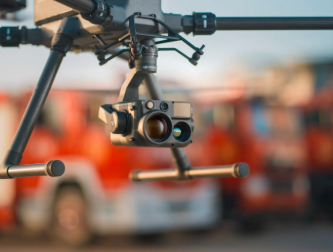
A drone thermal camera is a specialized imaging device attached to an unmanned aerial vehicle (UAV) that detects heat energy instead of visible light. Because all objects give off some form of heat or infrared radiation, a thermal camera is able to “see” temperature patterns even in total darkness, fog, smoke, or other conditions where regular cameras struggle.
Imagine a camera that doesn’t rely on sunlight or artificial light—one that can detect a warm human body in a pile of rubble after an earthquake, reveal energy loss from a roof at night, or show stressed crops in a field before the leaves visibly change. That is the power of a thermal camera on a drone.
2. Understanding Thermal Imaging Technology
What is Thermal Imaging?
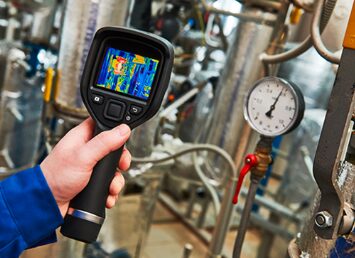
Thermal imaging is the process of capturing pictures based on heat instead of light. Every object emits infrared energy according to its temperature: warmer objects emit more energy, while cooler ones emit less. A thermal camera reads these heat signals and turns them into a visual image called a thermogram.
Unlike regular cameras, which might show a night scene as dark and unclear, a drone thermal camera displays temperature differences as colors or shades, making it extremely useful for night operations and low-visibility environments.
The Science Behind Heat Detection
At the core of thermal imaging is the fact that infrared energy increases with temperature. Thermal sensors capture this energy and translate it into temperature data. The camera then processes this data into an image with different colors indicating temperature levels. For example, a hot roof might appear in yellow or red tones, while a cold surface may show blue or black.
Components of a Thermal Camera
A typical drone thermal camera has four key pieces:
- Sensor: Detects infrared radiation.
- Lens: Focuses the heat energy.
- Processor: Converts sensor data into a viewable image.
- Display/Output: Shows the final thermal image to the pilot or software.
Together, these make the thermal camera an effective tool for detecting temperature variations from above.
3. How Drone Thermal Cameras Work
Step-by-Step Working Process
The working of a drone thermal camera can be explained in simple stages:
- Heat Emission: Every surface emits infrared energy depending on its temperature.
- Detection: The thermal sensor captures these infrared signals.
- Processing: The sensor’s raw data is processed into visual elements.
- Image Formation: The camera assigns colors or tones to temperature ranges.
- Live Viewing: This thermal view is streamed back to the controller in real time.
Because thermal sensors detect heat rather than light, they work equally well at night or in bright day.
Drone Integration System
When the thermal camera is mounted on a drone, advanced stabilization systems such as gimbals keep the image steady even when the drone moves. GPS and flight control systems help position the drone accurately, while the onboard software can analyze thermal patterns in real time.
Interpreting Thermal Images
To interpret thermal images correctly, pilots learn how colors relate to temperature. For example, warmer spots often appear in bright colors like red or yellow, while cooler areas appear in dark shades like blue or purple. This skill is vital for accurate analysis in industrial inspections, search operations, or environmental monitoring.
4. Types of Drone Thermal Cameras
Thermal cameras on drones come in several variations:
Integrated Thermal Drones
These are drones that come factory-built with a thermal camera. They are ready to fly with thermal imaging capabilities right out of the box.
Dual-Sensor Drones
These drones combine thermal and standard optical cameras. This allows users to switch between regular video and thermal views or overlay one on the other for enhanced context.
Industrial Inspection Drones
Equipped with high-resolution thermal sensors, these are used in construction, energy, and infrastructure inspections.
Portable & Enterprise Systems
Portable thermal payloads can be added to a variety of professional drones, making them flexible across different missions.
5. Key Features of Thermal Camera Drones
A modern drone thermal camera includes several important features that improve usability and performance:
- Night Vision: Works in total darkness without extra lighting.
- Real-Time Heat Detection: Provides live thermal feedback.
- Temperature Measurement: Measures actual temperatures in many models.
- Heat Mapping Tools: Helps visualize heat patterns across large areas.
- Long-Range Monitoring: Ideal for large site inspections.
- Intelligent Flight Modes: Some drones can perform automated thermal surveys.
These capabilities make thermal drones much more valuable than traditional cameras in many scenarios.
6. Major Uses of Drone Thermal Cameras
Search and Rescue
In emergency situations like earthquakes or lost person alerts, a thermal camera helps rescuers detect human body heat even under rubble and dense vegetation. Night operations become far more effective when using heat detection.
Firefighting & Emergency Response
Firefighters use thermal drones to locate hotspots that are invisible to the human eye. These heat signatures help teams understand where fire might still be burning under debris or inside structures.
For example, after a fire is extinguished, a thermal camera may reveal hidden embers that could reignite if left undetected.
Agriculture & Smart Farming
Farmers use thermal drones to monitor crop health by detecting temperature differences in plants. A stressed or under-watered crop will show different heat patterns than healthy crops. This enables early intervention, leading to better yields and more efficient use of water and fertilizer.
Building & Infrastructure Inspection
Thermal imaging helps identify heat loss in buildings, moisture intrusion in roofs, and missing insulation. Instead of manual checks that require ladders and close inspection, a drone thermal camera captures detailed heat patterns safely from above.
Electrical & Power Line Inspection
Overheated electrical components are often a sign of failure. A drone thermal camera can fly along power lines or electrical installations and pinpoint components running hotter than normal, allowing technicians to intervene before a breakdown.
Security & Surveillance
Security teams use thermal drones to conduct surveillance at night or in low-visibility conditions. Heat detection enables early detection of intruders, trespassers, and unauthorized activity within restricted zones.
Environmental & Wildlife Monitoring
Researchers use thermal imagery to track animals at night without disturbing them, monitor water temperatures, and observe habitat conditions that are hard to see with the naked eye.
7. Advantages of Drone Thermal Cameras
A drone thermal camera offers significant benefits over traditional imaging systems. Because it detects heat, it provides visibility where visible light fails—such as in darkness, fog, or dense vegetation. This capability makes thermal drones useful for faster, non-contact inspections and safer operations in hazardous environments.
Additionally, thermal drones can cover large areas quickly, saving time and costs associated with manual methods.
8. Limitations and Challenges
Despite many advantages, thermal drones have some challenges:
- Cost: They tend to be more expensive than regular camera drones.
- Battery Life: Flying with thermal payloads may drain drones faster.
- Surface Only: Thermal cameras only see surface heat, not through walls or solid objects.
- Weather Influence: Heavy rain or fog may slightly reduce accuracy.
- Training Needed: Pilots need training to interpret thermal data correctly.
Understanding these limitations helps users prepare and choose the right equipment for their needs.
9. Technical Specifications Explained
When evaluating a drone thermal camera, here are key specifications to understand:
| Specification | Meaning |
|---|---|
| Resolution | Number of thermal pixels; higher means clearer images |
| Temperature Range | Range of temperatures the camera can measure |
| Frame Rate | Thermal images per second; higher is smoother |
| Sensitivity (NETD) | Smallest temperature difference the camera can detect |
| Field of View (FOV) | Width of the observable area |
| Flight Time | How long the drone can stay airborne |
Knowing these specs helps buyers choose the right model for their specific goals.
10. Drone Thermal Camera vs Normal Camera
Here’s an easy comparison to understand how thermal cameras differ from traditional ones:
| Feature | Drone Thermal Camera | Standard Drone Camera |
|---|---|---|
| Works in darkness | ✔ Yes | ✘ No |
| Detects heat | ✔ Yes | ✘ No |
| Useful for inspections | ✔ High | ✘ Limited |
| Weather visibility (smoke/fog) | ✔ Better | ✘ Poor |
| Cost | Higher | Lower |
A thermal camera complements a standard camera by adding a layer of invisible information—temperature—that normal cameras cannot capture.
11. Legal & Safety Considerations
Flying drones, especially with thermal imaging, requires understanding local regulations. Many countries require registration, permits, and safety compliance. Additionally, privacy issues may arise when thermal cameras are used in public or private spaces, so operators must ensure ethical use and follow legal guidelines.
12. Future Trends in Thermal Drone Cameras
The future of thermal drones is closely tied to advancements in artificial intelligence, cloud analytics, and autonomous flight. We can expect smarter systems that automatically detect heat anomalies, integrate with mapping software, and operate without manual piloting.
Higher thermal resolution sensors and deeper integration with AI will continue to expand the value of drone thermal camera technology.
13. Buying Guide: What to Look For
When choosing a drone thermal camera, consider your specific goals. For example:
- Do you need basic thermal detection or precise temperature measurement?
- Is portability more important, or do you need industrial-grade performance?
- What is your budget range?
By aligning features with your needs, you can select the right thermal drone without overspending.
14. Conclusion
A drone thermal camera is a powerful tool that reveals heat signatures invisible to human eyes. From emergency response and agriculture to infrastructure inspections and wildlife monitoring, the applications are vast and growing. While the technology comes with costs and requires expertise, the benefits in efficiency, safety, and insight make it an invaluable asset in many fields.
As technology continues to evolve, thermal drone systems will only become more accurate, affordable, and easier to use.
FAQs About Drone Thermal Cameras
1. What is a drone thermal camera used for?
It is used to detect heat signatures, enabling night operation, inspections, search and rescue, security surveillance, crop health monitoring, and more.
2. Can thermal drones see through walls?
No. Thermal cameras detect surface heat only and cannot see through walls or solid objects.
3. Are thermal drones legal to use?
Legality depends on country laws, drone registration, and privacy regulations. Always follow local rules.
4. How accurate are thermal drone cameras?
Accuracy depends on sensor quality, resolution, and calibration. High-end models can measure precise temperature differences.
5. What industries benefit most from thermal drones?
Agriculture, construction, firefighting, electrical inspections, security, and environmental research are major sectors.