

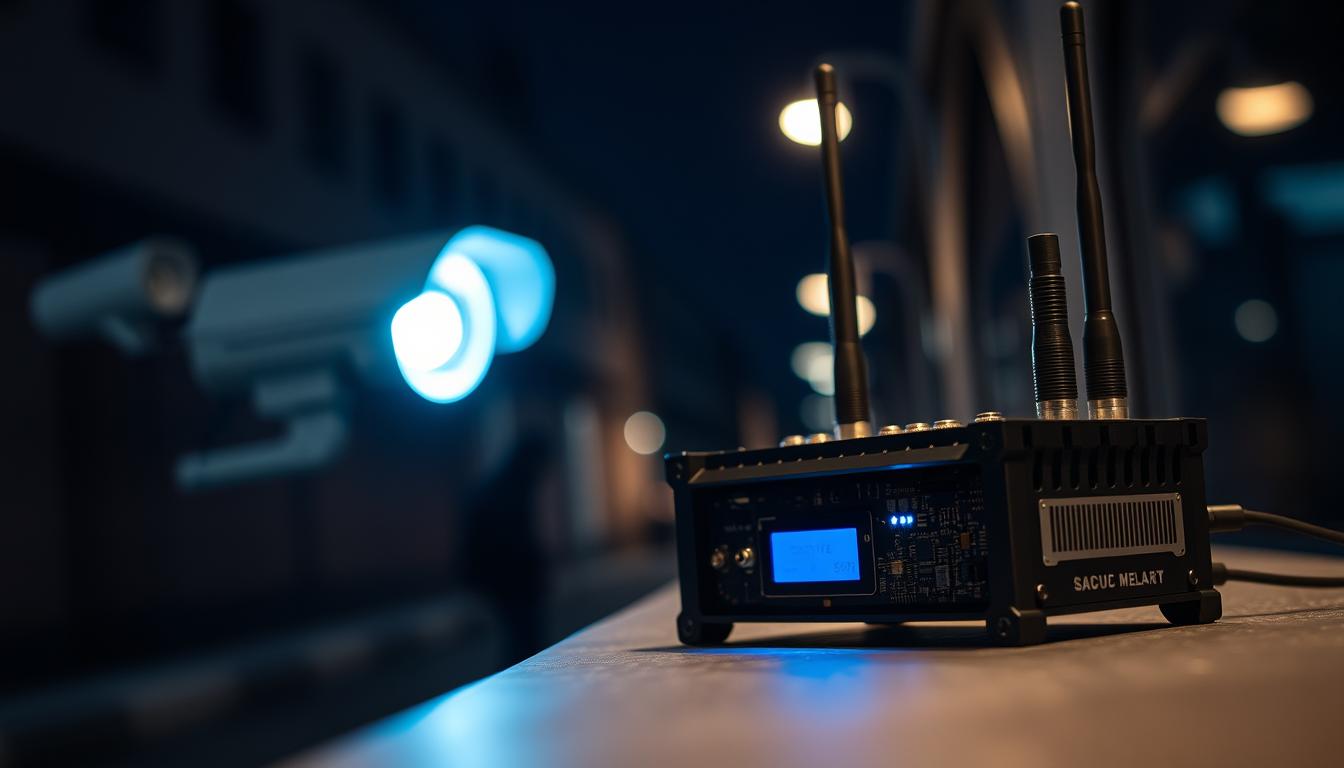

Modern surveillance technology has become a major part of daily life. Cameras are installed in homes, offices, streets, shopping malls, and even personal devices. Along with this growth, many people have started searching for technologies that can interfere with or block cameras, leading to rising interest in the concept of a camera jammer.
This detailed guide explains the topic in simple and easy wording. You will learn what a camera jammer is, how it works, what types exist, its risks, legal considerations, and how security systems protect themselves against signal interference.
Introduction to Camera Jammer
A camera jammer is generally described as an electronic device designed to disrupt communication between a camera and the system receiving its video signal. Instead of physically damaging a camera, it interferes with wireless signals so the footage cannot be transmitted properly.
As surveillance systems become smarter and more connected through Wi-Fi and wireless networks, discussions around signal interference technologies have also increased. Some people research camera jammers out of curiosity, privacy concerns, or security awareness, while professionals study them to understand vulnerabilities in modern security systems.
The topic is important because understanding how interference works helps both individuals and businesses improve security rather than weaken it.
Understanding Camera Technology First
Before understanding a camera jammer, it is important to know how cameras themselves operate.
How Modern Cameras Work
Most modern cameras capture video through sensors and then transmit that data to storage or monitoring systems. The transmission happens in two primary ways:
| Camera Type | Connection Method | Data Transmission |
|---|---|---|
| Wired Cameras | Cable (Ethernet/Coaxial) | Direct physical transfer |
| Wireless Cameras | Wi-Fi or RF signals | Radio frequency transmission |
| Smart Cameras | Internet cloud | Online streaming |
| IP Cameras | Network-based | Digital packets |
Wireless systems are more convenient but rely heavily on stable signals. This dependence makes signal interference theoretically possible.
Types of Surveillance Cameras
Common surveillance cameras include:
- CCTV security cameras
- IP network cameras
- Wi-Fi home security cameras
- Hidden or spy cameras
- Smart doorbell cameras
Each uses different communication methods, which affects how interference might impact them.
What Is a Camera Jammer?
Technical Definition
A camera jammer is an electronic device that emits signals on the same frequency used by wireless cameras. These signals create electronic noise, preventing the camera from successfully transmitting video data.
Simple Real-Life Explanation
Imagine trying to talk to someone on a phone call while loud static noise fills the line. The conversation becomes impossible to understand. A camera jammer works similarly by filling the communication channel with interference.
Historical Background
Signal jamming technology originally appeared in military electronic warfare, where disrupting enemy communication systems was strategically important. Over time, knowledge of signal interference became publicly discussed within cybersecurity and surveillance research.
How a Camera Jammer Works
Wireless cameras transmit data using radio frequencies. A camera jammer attempts to overpower these signals.
Radio Frequency Interference
Wireless devices operate on specific frequency bands such as:
- 2.4 GHz Wi-Fi band
- 5 GHz Wi-Fi band
- RF communication channels
When interference signals become stronger than the original signal, communication fails.
Step-by-Step Working Mechanism
- The camera sends video data through wireless signals.
- The jammer emits competing signals at the same frequency.
- Signal collision occurs.
- The receiver cannot decode video data.
- Video feed freezes or disconnects.
Transmission vs Recording
It is important to understand that interference usually blocks signal transmission, not necessarily the camera’s internal recording if local storage exists.
Types of Camera Jammer Technologies
Different concepts of camera jamming are often discussed depending on interference method.
1. Wi-Fi Signal Jammers
Target wireless home security cameras operating through internet networks.
2. RF Signal Interference Devices
Focus on radio-frequency communication systems.
3. Laser-Based Interference Concepts
Use intense light aimed at lenses to disrupt image sensors temporarily.
4. Portable Interference Devices
Small devices discussed in privacy debates and security research.
5. Military-Grade Systems
Highly specialized equipment used only by authorized agencies for defense operations.
Cameras Affected by Signal Interference
Not all cameras respond the same way to interference.
| Camera Category | Vulnerability Level | Reason |
|---|---|---|
| Wi-Fi Cameras | High | Depend on wireless signals |
| Smart Home Cameras | Medium–High | Cloud connectivity required |
| Drone Cameras | Medium | Wireless control signals |
| Wired CCTV | Low | Physical connection |
| Local Storage Cameras | Very Low | Record internally |
Wired systems remain more resistant because data travels through cables rather than radio waves.
Commonly Discussed Uses
In educational and research discussions, camera jammer technology is analyzed for several contexts:
- Electronic security testing
- Military communication strategies
- Privacy debates
- Academic research on wireless vulnerabilities
However, misuse raises serious concerns, which is why regulations exist worldwide.
Risks and Misuse of Camera Jammers
Signal interference introduces multiple risks.
Security Risks
If surveillance cameras stop transmitting data, monitoring systems may fail temporarily. This vulnerability can create opportunities for unauthorized activities.
Public Safety Concerns
Wireless interference may also affect:
- Emergency communications
- Alarm systems
- Smart infrastructure
- Medical communication equipment
Because radio frequencies are shared resources, uncontrolled interference can impact more than just cameras.
Legal Status of Camera Jammer Devices
In many countries, operating signal jamming equipment without authorization is illegal because it interferes with licensed communications.
General Legal Overview
| Region | Legal Status |
|---|---|
| United States | Illegal for civilian use |
| European Union | Mostly prohibited |
| Canada | Strictly banned |
| United Kingdom | Restricted |
| Many Asian Countries | Requires government authorization |
Governments regulate radio frequencies carefully to protect communication networks and public safety.
Ethical and Privacy Debate
The discussion around camera jammers often centers on balancing privacy and security.
Some individuals worry about excessive surveillance, while security experts emphasize the importance of cameras for crime prevention. Ethical discussions focus on finding safer privacy solutions that do not disrupt communication systems.
Signs a Camera May Be Experiencing Interference
Certain symptoms may indicate signal disruption:
- Sudden camera disconnection
- Frozen video feed
- Repeated offline alerts
- Missing recorded footage
- Weak network signals
These issues can also result from normal network problems, so professional diagnosis is important.
How to Protect Cameras from Jamming
Modern security systems use multiple protection strategies.
Effective Protection Methods
- Installing wired cameras
- Using local SD card recording
- Dual-band connectivity
- Signal monitoring alerts
- Encrypted communication protocols
Security professionals often combine several methods to reduce vulnerabilities.
Camera Jammer vs Camera Blocker vs Signal Interference
| Feature | Camera Jammer | Camera Blocker | Signal Interference |
|---|---|---|---|
| Method | RF noise signals | Physical obstruction | Environmental disruption |
| Target | Wireless communication | Camera lens | Network stability |
| Legality | Often restricted | Usually legal | Situational |
| Complexity | Technical | Simple | Variable |
Understanding these differences prevents confusion between physical privacy tools and electronic interference.
Advantages and Disadvantages (Educational Analysis)
Potential Advantages (Theoretical Context)
- Helps researchers understand wireless weaknesses
- Encourages development of stronger security systems
- Raises privacy awareness discussions
Disadvantages
- Legal consequences
- Security risks
- Communication disruption
- Public safety hazards
Future of Anti-Jamming Technology
Security manufacturers are developing smarter systems to resist interference.
Emerging innovations include:
- AI-based signal monitoring
- Automatic frequency switching
- Encrypted wireless transmission
- Hybrid wired-wireless systems
The future of surveillance focuses more on resilience rather than simple connectivity.
Myths and Misconceptions About Camera Jammer
Many misunderstandings exist around this topic.
Myth 1: All cameras can be jammed.
Reality: Wired and offline cameras are highly resistant.
Myth 2: Jammers destroy cameras.
Reality: They typically affect signals, not hardware.
Myth 3: They are legal everywhere.
Reality: Most regions restrict them.
Myth 4: Jamming works perfectly.
Reality: Modern systems include detection and backup mechanisms.
Frequently Asked Questions (FAQs)
1. What is a camera jammer used for?
It refers to a device designed to interfere with wireless camera communication signals.
2. Can all cameras be affected by a camera jammer?
No. Wired cameras and local recording systems are much harder to disrupt.
3. Is using a camera jammer legal?
In many countries, civilian use is restricted or prohibited due to communication laws.
4. How can I protect my CCTV system?
Using wired connections, encrypted networks, and backup storage improves protection.
5. Does interference permanently damage cameras?
Usually not. It mainly affects signal transmission rather than hardware.
Conclusion
A camera jammer is a concept rooted in signal interference technology that disrupts wireless communication between cameras and monitoring systems. While often discussed in privacy and security contexts, it also raises serious legal and ethical considerations.
Understanding how camera jammers work is valuable not for misuse, but for improving modern security awareness. As surveillance technology evolves, manufacturers continue building smarter, more secure systems capable of detecting and resisting interference.
The future of security lies not in disabling cameras but in creating balanced solutions that protect both safety and privacy through responsible technology use.