

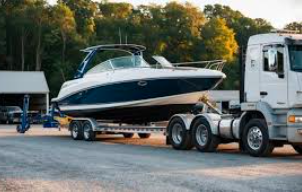

Transporting a boat across the United States involves far more than simply loading it onto a trailer and hitting the road. Whether you’re moving a small fishing vessel or a large yacht, strict regulations and permit requirements must be followed to ensure safety, compliance, and efficiency. Understanding these rules is essential for boat owners, dealers, and logistics companies alike.
In this comprehensive guide, we’ll break down everything you need to know about boat transport regulations and permits in the U.S., including federal and state laws, oversized load requirements, insurance rules, and how professional transport companies simplify the process.
Why Regulations Matter in Boat Transport
Boat transport regulations are designed to ensure safety for both the transporter and the public. Boats are often oversized, heavy, and irregularly shaped, making them more challenging to move than standard cargo.
Failure to comply with regulations can result in:
- Heavy fines and penalties
- Delays in delivery
- Safety risks on highways
- Legal complications
This is why professional boat transport companies strictly adhere to all applicable laws and guidelines.
Federal Regulations for Boat Transport
At the federal level, the U.S. Department of Transportation (DOT) oversees many aspects of boat transportation, especially when commercial carriers are involved.
Key Federal Requirements:
- Commercial Driver’s License (CDL): Required for drivers transporting heavy loads
- Weight Limits: Federal law typically limits gross vehicle weight to 80,000 pounds
- Safety Standards: Includes proper securing of loads and vehicle maintenance
- Hours of Service (HOS): Limits how long drivers can operate without rest
Additionally, the Federal Motor Carrier Safety Administration (FMCSA) ensures compliance with transport safety rules.
State-Specific Regulations
While federal laws provide a baseline, each state has its own set of regulations for transporting boats, especially when it comes to oversized loads.
Common State-Level Requirements:
- Oversize permits
- Escort vehicles (pilot cars)
- Restricted travel hours
- Route approvals
For example, some states prohibit oversized loads from traveling at night or during peak traffic hours. Others may require advance notice or additional safety measures.
Because regulations vary widely, transporting a boat across multiple states can be complex and requires careful planning.
Oversized Load Regulations
One of the most critical aspects of boat transport is determining whether your vessel qualifies as an oversized load.
Standard Legal Limits:
- Width: 8.5 feet (102 inches)
- Height: 13.5 to 14 feet (varies by state)
- Length: Depends on vehicle and trailer combination
If your boat exceeds these limits, it is classified as an oversized load and requires special permits.
Requirements for Oversized Boats:
- Oversize Load Permits
Each state you pass through requires its own permit. - Escort Vehicles
Larger boats may require one or more pilot cars to ensure safe travel. - Warning Signs and Lights
“Oversize Load” banners, flags, and lighting are mandatory. - Restricted Routes
Certain roads, bridges, and tunnels may be off-limits.
Permits Required for Boat Transport
Obtaining the correct permits is a crucial step in boat transportation.
Types of Permits:
1. Single Trip Permits
Issued for one-time transport across a specific route.
2. Annual Permits
Used by transport companies that frequently move oversized loads within a state.
3. Super Load Permits
Required for extremely large boats that exceed standard oversized dimensions.
How Permits Are Obtained:
- Submitted through state DOT websites
- Require detailed information about the load
- Include route planning and safety measures
- Must be approved before transport begins
Professional boat transport companies usually handle all permit applications, saving clients time and reducing the risk of errors.
Insurance Requirements
Insurance is another critical component of boat transport regulations.
Types of Insurance Coverage:
- Cargo Insurance: Covers damage to the boat during transport
- Liability Insurance: Covers damage to property or injuries caused during transit
- Additional Coverage: Optional policies for high-value vessels
Before hiring a transport company, it’s important to verify their insurance coverage and ensure it is sufficient for your boat’s value.
Boat Preparation Requirements
Regulations also require that boats be properly prepared before transport.
Common Preparation Steps:
- Remove loose items and personal belongings
- Disconnect batteries
- Drain fuel and water tanks (if required)
- Secure or remove antennas and accessories
- Cover and protect the boat
Improper preparation can lead to safety hazards and may even violate transport regulations.
International Boat Transport Regulations
When transporting boats internationally, regulations become even more complex. In addition to U.S. laws, you must comply with international shipping standards, customs requirements, and port regulations.
Working with professionals who specialize in international boat transportation is highly recommended. For reliable and compliant services, you can explore expert solutions at international boat transportation, where experienced providers handle documentation, logistics, and global shipping requirements efficiently.
Key International Requirements:
- Customs documentation
- Import/export permits
- Port handling procedures
- Compliance with international maritime laws
International shipping may also involve different transport methods such as container shipping, flat racks, or roll-on/roll-off vessels.
Environmental and Safety Regulations
Environmental protection is an increasingly important aspect of boat transport.
Key Considerations:
- Preventing fuel or oil leaks
- Cleaning boats to avoid transporting invasive species
- Proper disposal of hazardous materials
Some states require boats to be inspected or cleaned before transport to prevent ecological damage.
Seasonal and Weather Restrictions
Boat transport regulations can also be influenced by seasonal factors and weather conditions.
Examples:
- Winter restrictions in snowy regions
- Hurricane season delays in coastal areas
- High wind restrictions for oversized loads
Transport companies must monitor weather conditions and adjust schedules accordingly to ensure safety and compliance.
Challenges in Navigating Regulations
Boat transport regulations can be complex and challenging, especially for individuals unfamiliar with logistics.
Common Challenges:
- Varying state laws
- Permit processing delays
- Route restrictions
- Compliance with multiple agencies
These challenges make it difficult for DIY transport and highlight the importance of hiring professionals.
How Professional Boat Transport Companies Help
Professional transport companies simplify the entire process by handling:
- Permit applications
- Route planning
- Compliance with state and federal laws
- Insurance coverage
- Safe loading and unloading
Their expertise ensures that your boat is transported legally, safely, and efficiently.
Tips for Staying Compliant
To ensure smooth and legal boat transport, follow these tips:
- Verify transport company credentials
- Confirm permit requirements for your route
- Ensure proper insurance coverage
- Prepare your boat according to guidelines
- Plan ahead to avoid delays
Future Trends in Boat Transport Regulations
As the boating industry grows, regulations continue to evolve.
Emerging Trends:
- Digital permit processing systems
- Increased safety standards
- Stricter environmental regulations
- Enhanced tracking and compliance technologies
These changes aim to improve safety, efficiency, and environmental protection.
Conclusion
Understanding boat transport regulations and permits in the U.S. is essential for ensuring a smooth and hassle-free experience. From federal and state laws to oversized load permits and international shipping requirements, compliance plays a critical role in safe transportation.
While the process may seem complex, working with experienced professionals can simplify every step, from obtaining permits to ensuring proper delivery. Whether you’re moving a small boat domestically or handling international shipping, staying informed and prepared will help you avoid delays, reduce risks, and ensure successful transport.